
Recruitment platform / Engineering case study
TalentBridge
Django REST backend for recruitment workflows.
Project facts
Backend endpoints
API contracts and documentation
Reliability improvements
Deployment support
Overview
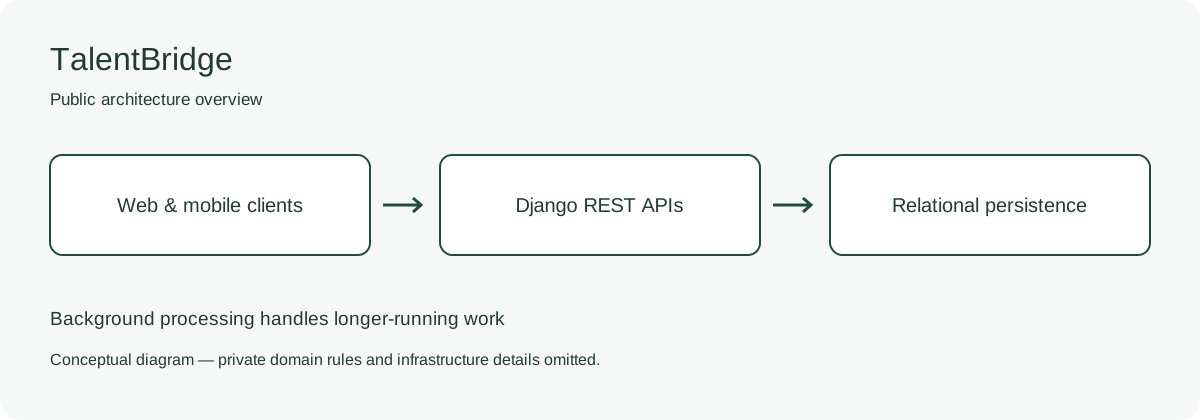
A public architecture overview of a Django REST recruitment platform. Domain rules, workflow transitions, data relationships, and organizational policies are intentionally omitted.
01 / Context
The problem
Recruitment software brings people, organizations, and time-sensitive work into one product. The backend needed clear access boundaries, stable API contracts, and reliable processing without exposing one organization’s information to another.
My role
As a Mid Level Python Developer, I contributed backend endpoints, integration contracts, reliability improvements, API documentation, and deployment support. This public account describes engineering responsibilities only; customer-specific workflows and commercial rules remain private.
Constraints
Organizational data required strict separation. Frontend integrations needed predictable contracts, and longer-running work could not make normal API requests unreliable.
02 / Engineering
Technical decisions
Django REST Framework provides a consistent API layer and documented contracts keep integration behavior reviewable. I used layered backend controls and asynchronous execution where appropriate, while keeping local and deployed concerns distinct.
The public design intentionally stops at these boundaries. Permission formulas, record relationships, workflow transitions, and operational thresholds are not disclosed.
Validation
Validation focused on representative permitted and rejected requests, documented response behavior, and the boundary between request handling and background execution.
03 / Delivery
What the project delivers
The result is a clearer, documented backend foundation with separated synchronous and background responsibilities and testable authorization boundaries. No production scale, customer outcome, or internal policy claim is made here.
Lessons and next steps
The strongest protection comes from making access context an invariant throughout the backend, not from adding checks at a single endpoint. API documentation is also most useful when it evolves with implementation and tests.
Architecture overview
A layered Django backend separates the public API, application responsibilities, data access, and supporting background work. Detailed authorization and domain rules remain private.
This public summary omits private domain rules, data relationships, security policies, and operational details.
Engineering challenges
Maintaining access boundaries
Context: Connected product data needs consistent separation.
Decision: Use layered backend controls and keep private policy details outside the public interface.
Trade-off: Layered controls require consistent maintenance and broader permission-focused validation.
Validation: Validation focused on representative permitted and rejected requests.
Separating longer-running work
Context: Some processing does not belong in the request-response path.
Decision: Use asynchronous execution where appropriate while keeping the public API contract stable.
Trade-off: Asynchronous execution adds operational components that must be configured and observed.
Validation: Validation focused on the boundary between request handling and background execution.
Technical focus
Django REST Framework
Relational persistence
Asynchronous processing
Documented API contracts
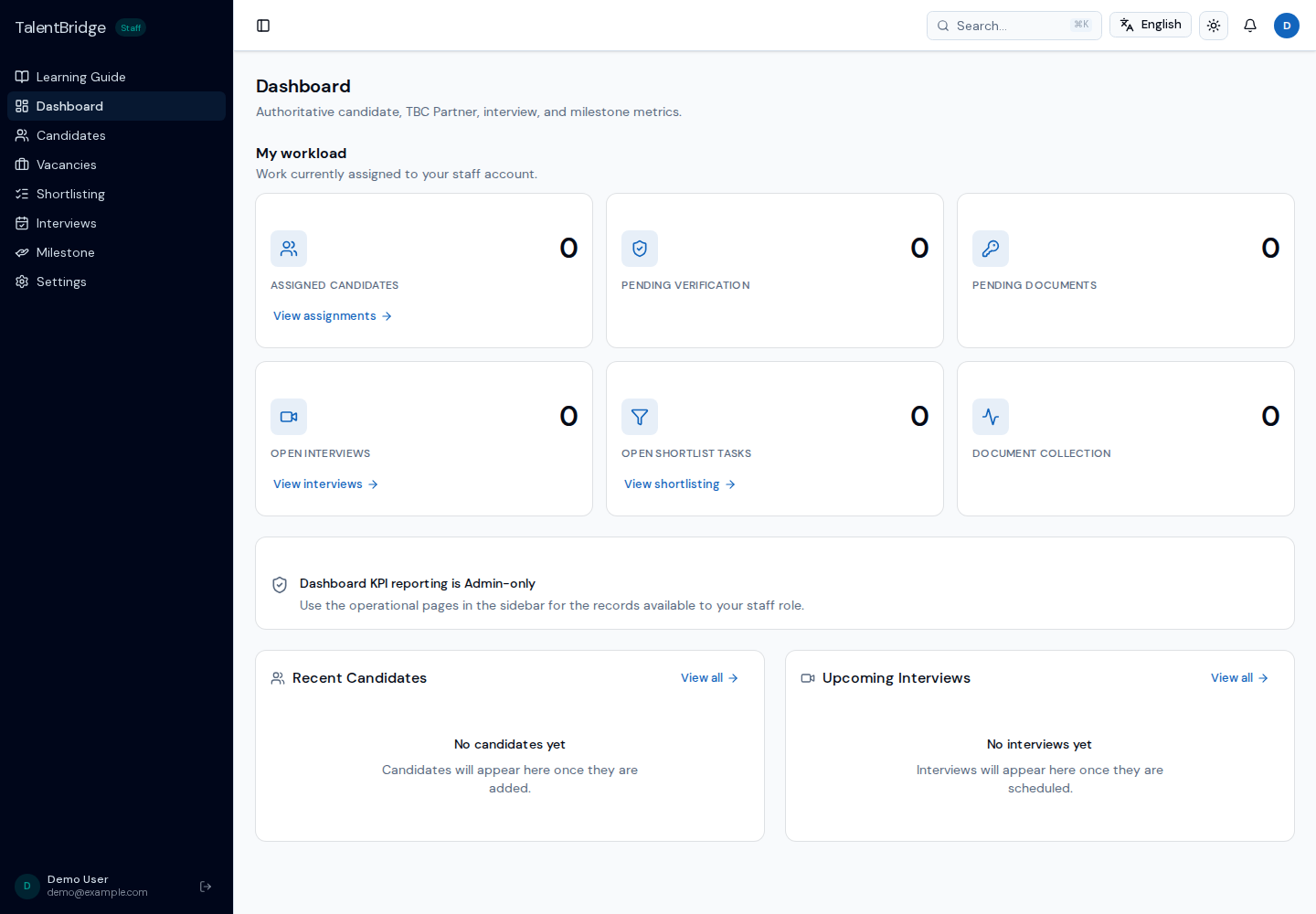
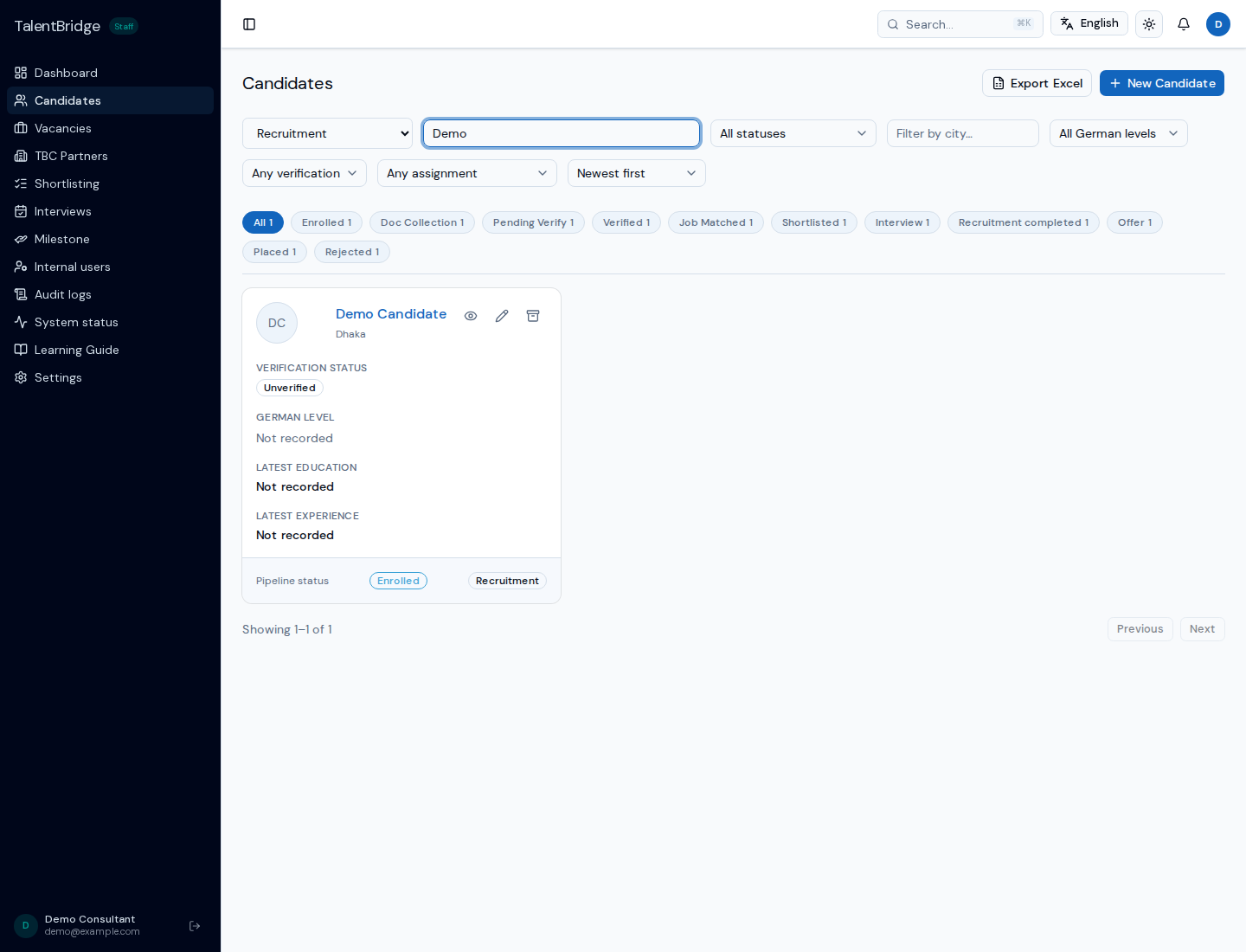
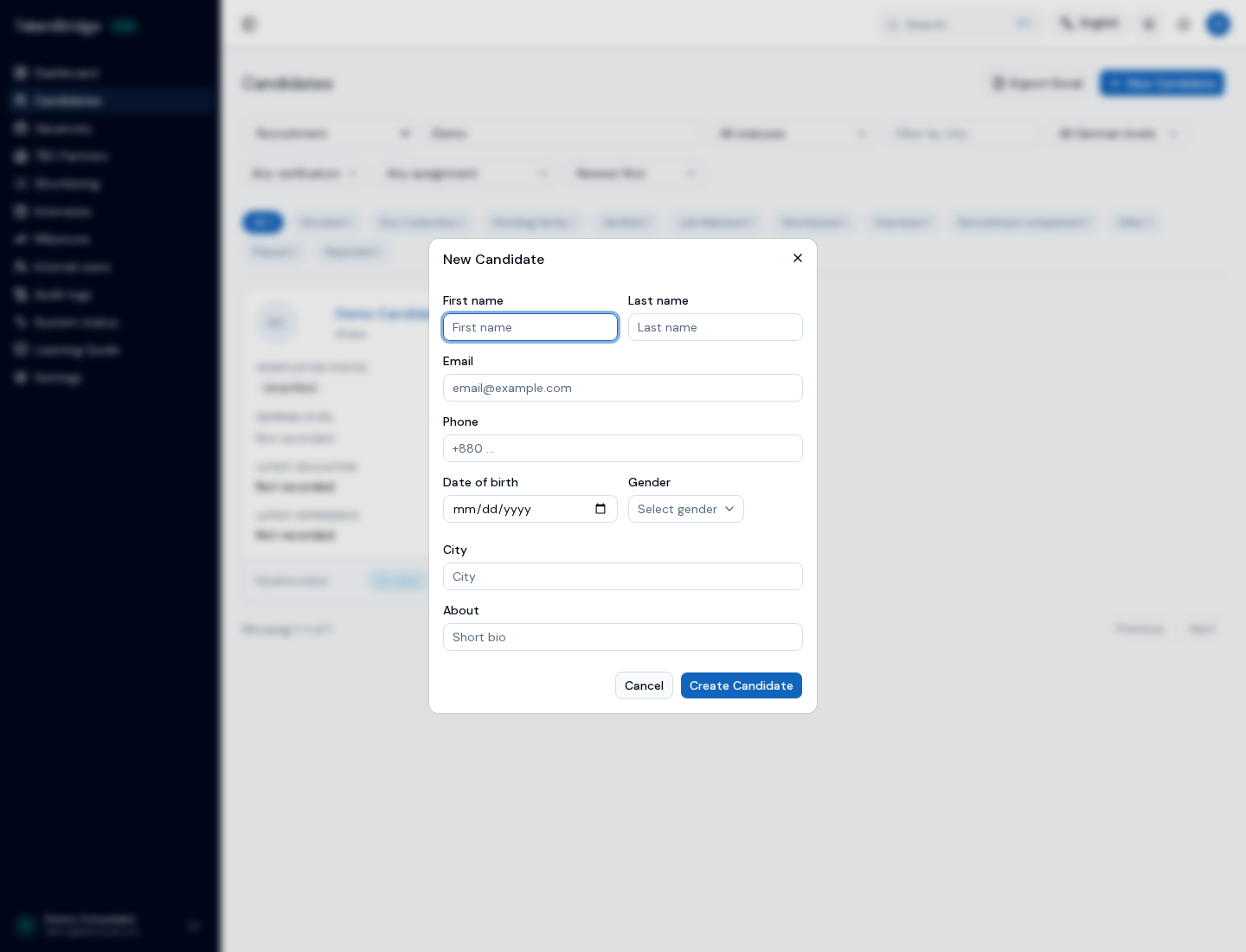
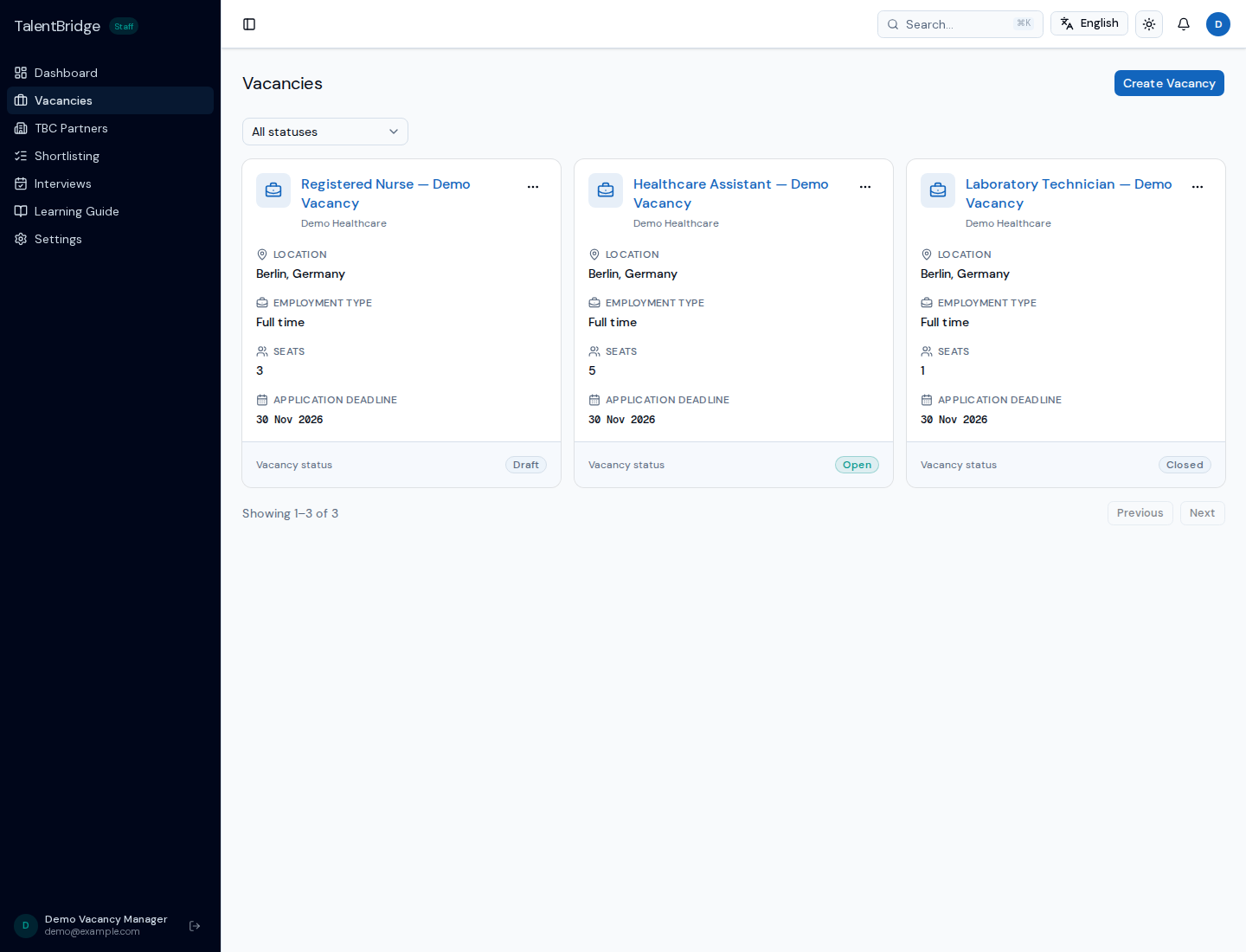
Project screenshots
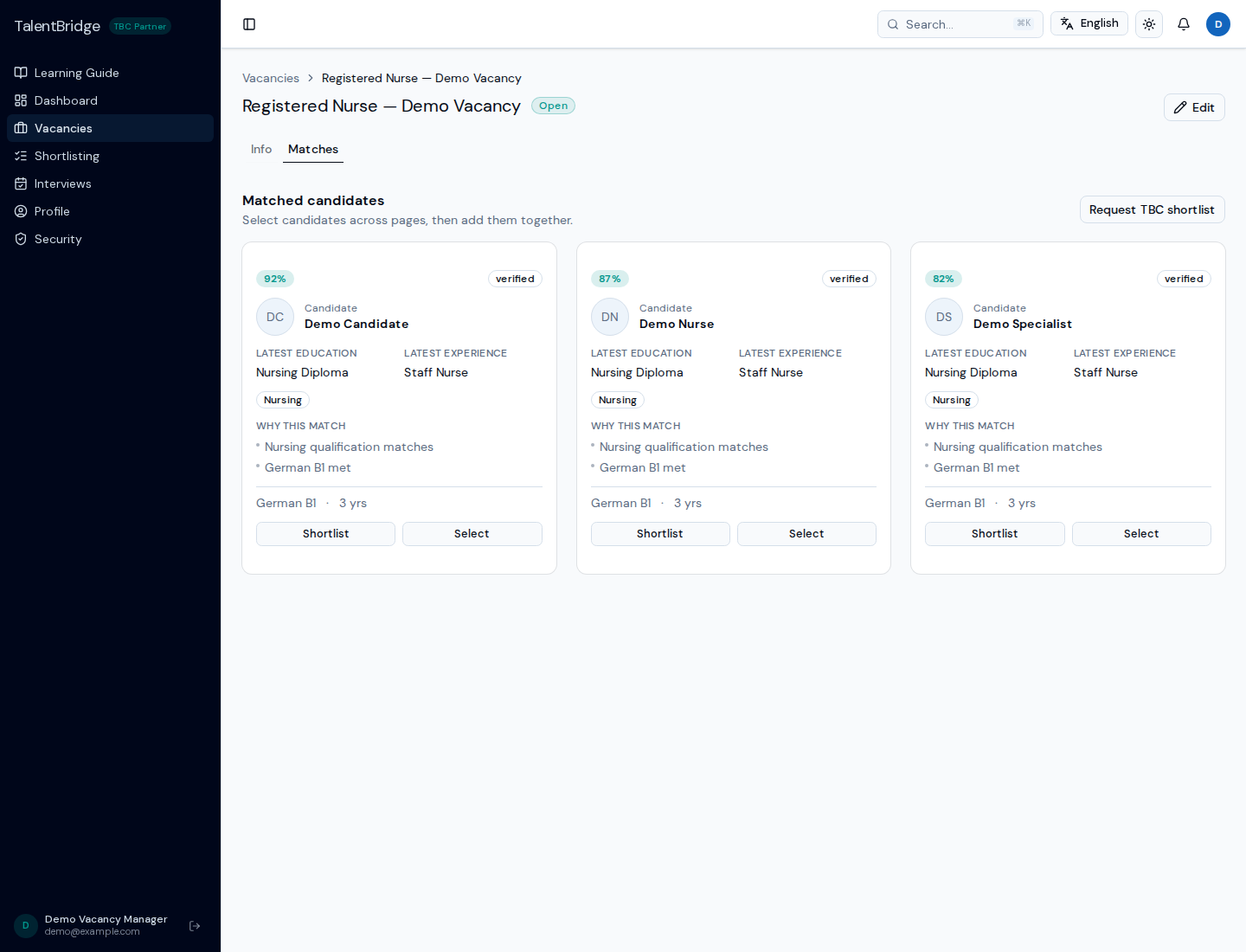
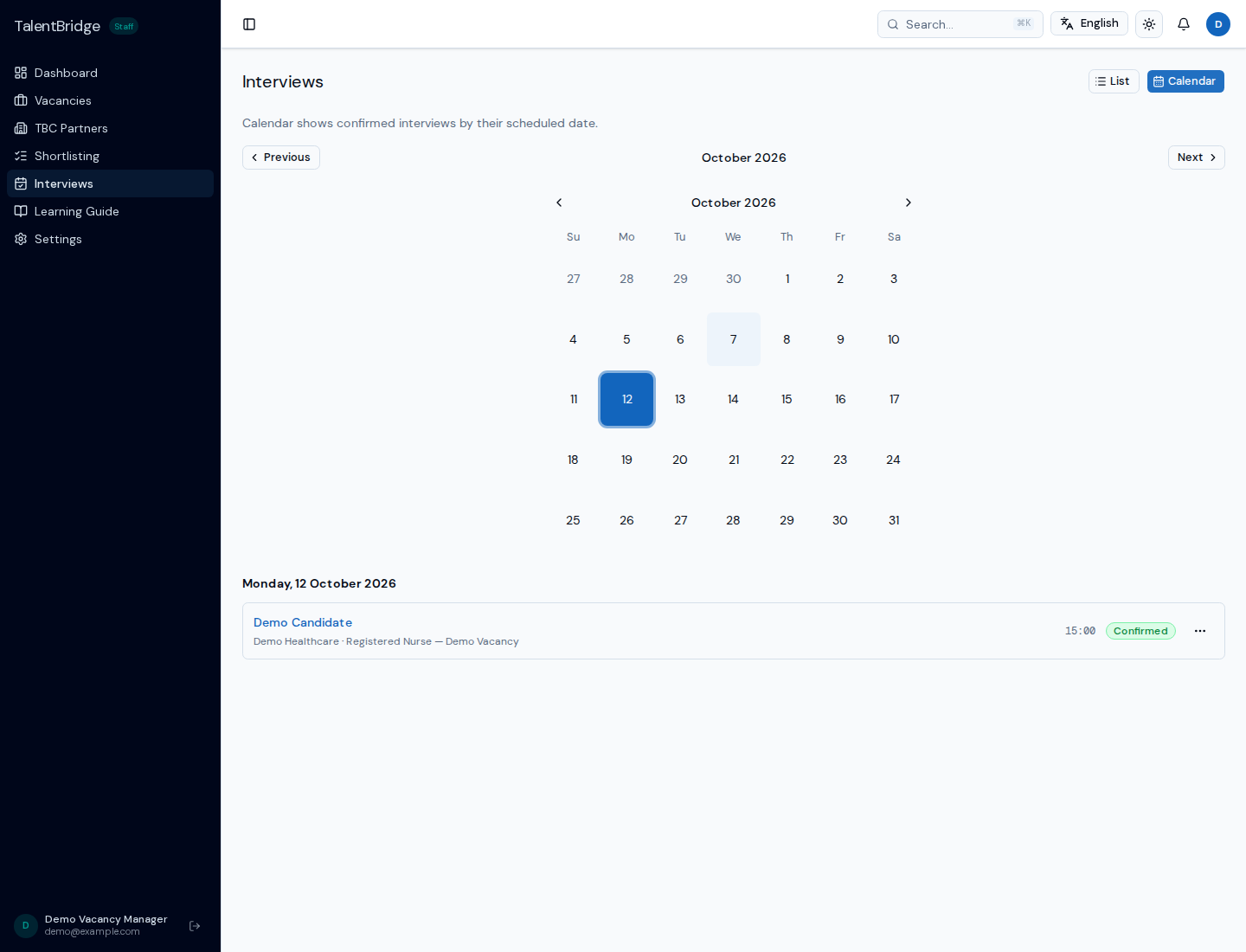
Application screenshots using synthetic demo data.
Public architecture diagram
Demo walkthrough
A screenshot montage using synthetic demo data.
Interested in work like this?
This public case study demonstrates engineering judgment without exposing internal business logic.
Let’s start a conversation ↗